The IBNS menu
News
| Latest Banknote of 2026 Nominations |
The latest nominations for the Banknote of 2026 are: Ukraine: 2,000-Hryven Note, Turkmenistan: 200-Manat Note, Honduras: 200-Lempira Note, Oman: 1-Rial Note, Solomon Islands: 50-Dollar Note, Cuba: 5,000-Pesos Note, Nepal: 1,000-Rupee Note, Paraguay: 2,000-Guaranies Note |
| IBNS Journal 65-2 |
includes articles on The Clyde Camp Roberry of 1870; Economists on Banknotes; Virtual Museum of Guatemalan Notaphily; Banknote Design & Printing 150 Years Ago; Paper Money in Spanish Provinces. |
| Read more... |
Grading Standards v2
Grading Standards
| Term | Uncirculated | About Uncirculated | Extremely Fine | Very Fine | Fine | Very Good | Good | Fair | Poor |
| Abbreviation | UNC | AU or aUNC | EF or XF | VF | F | VG | G | Fair | Poor |
Uncirculated
UNC
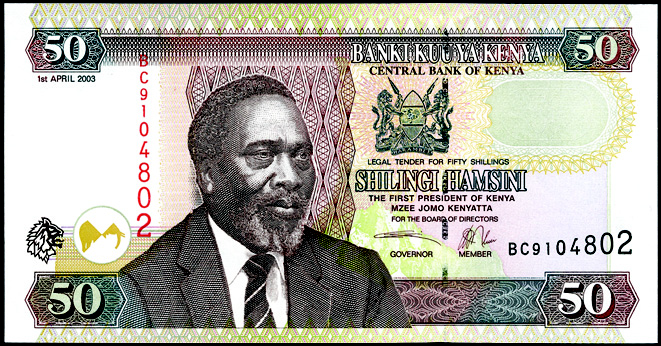
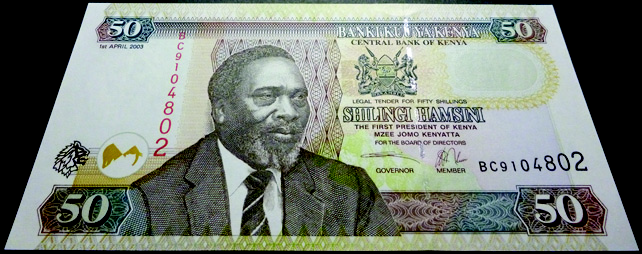
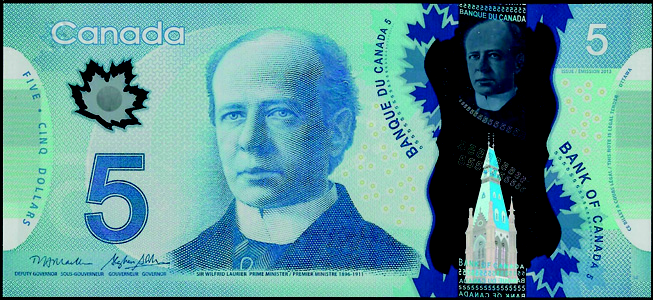
A perfectly preserved note, never mishandled by the issuing authority, a bank teller, the public or a collector. An uncirculated note will have its original natural sheen. For both paper and polymer banknotes, the note is clean and firm, without discolouration. Corners are sharp and square, without any evidence of rounding. (Rounded corners are often a tell-tale sign that an apparently high grade item has been cleaned or “doctored.”)
About Uncirculated
AU or aUNC
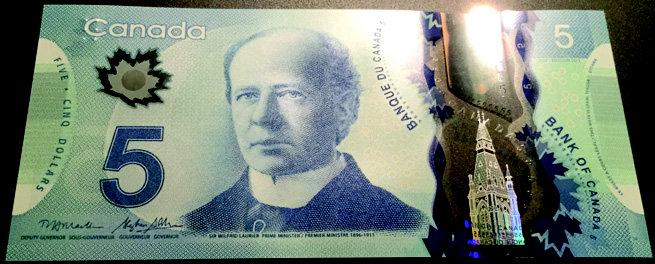
A virtually perfect note, with some minor handling. May show evidence of counting wrinkles (or teller flicks) folds at a corner or one light fold through the center, but not both. An AU note cannot be creased. Surface is clean and bright with original sheen. Corners are not rounded.
Extremely Fine
EF or XF
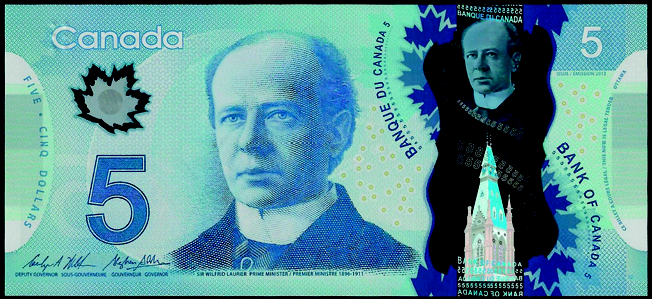
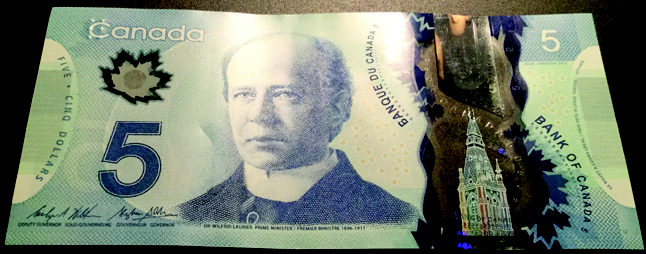
A very attractive note, with light handling. May have a maximum of three light folds or one crease. Surface is clean and bright with original sheen. On paper notes the corners may show only the slightest evidence of rounding.
Very Fine
VF
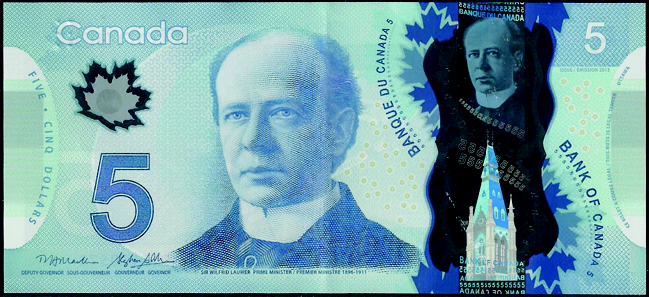
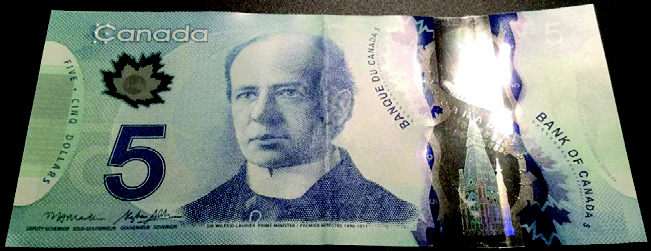
An attractive note, but with more evidence of handling and wear. May have a number of folds both vertically and horizontally. Paper may have minimal dirt, or possible colour smudging. Paper itself is still relatively crisp and not floppy. There are no tears into the border area, although the edges do show slight wear. Corners also show wear but not full rounding.
Fine
F
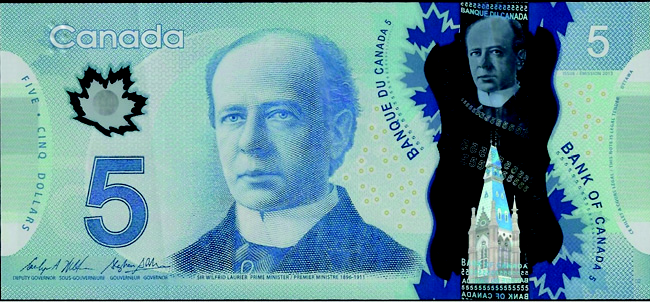
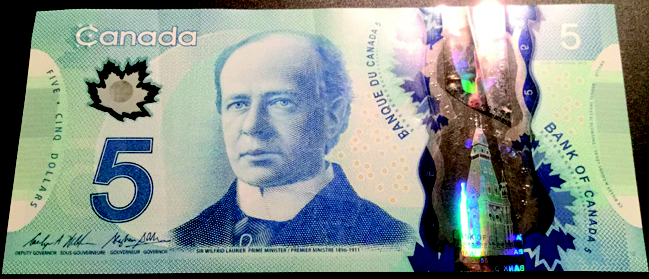
A note that shows considerable circulation with many folds, creases and wrinkling. Edges may show minor handling, but the note is not excessively dirty. Colours are clear but not bright. A staple hole or two would not be considered unusual wear in a Fine note. Overall appearance is still on the desirable side. Paper notes may have some softness and have minor tears in the border area; but the tears may not extend into the design. There will be not center hole due to folding. Polymer notes may have ink missing in the border areas.
Very Good
VG
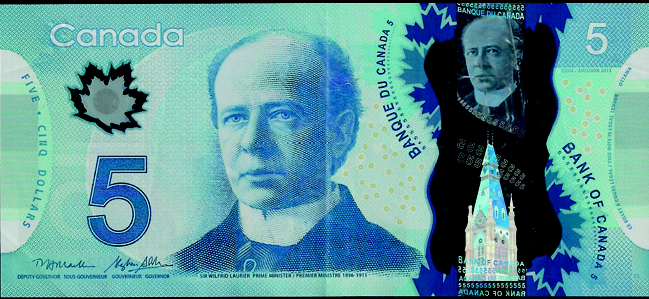
A well-used note, abused but still intact; i.e. no pieces can be missing. Some discolouration may be present, staining may have occurred, and staple and pinholes are usually present. A note in Very Good condition may still have an overall attractive appearance. Paper notes are quite limp; corners may have much wear and rounding. Edges may have tiny nicks, tears may extend into the design, and a small hole may be seen at center from excessive folding. Polymer notes are quite crumpled and the edges may have much wear.
Good
G
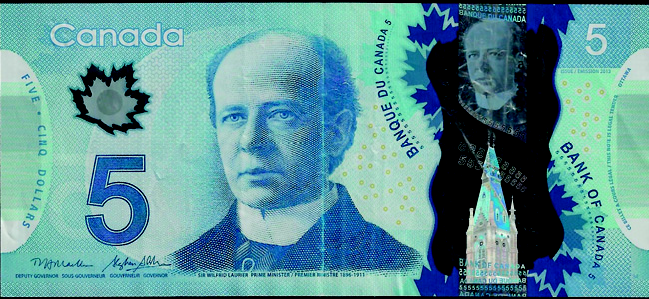
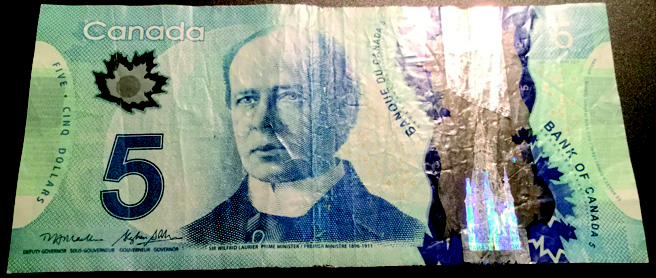
A well-worn and heavily used note. Normal damage from prolonged circulation may include strong multiple folds and creases, stains, pinholes or staple holes, dirt, discolouration, and the note has an overall unattractive appearance. No large pieces of the note may be missing. Graffiti is commonly seen on notes in Good condition. Paper notes will have edge tears, a center hole and rounded corners. A polymer note may have damaged cornered.
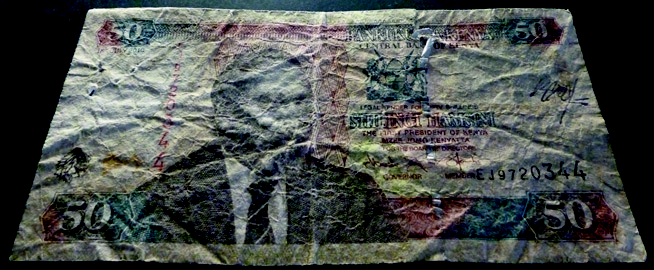
Fair
Fair
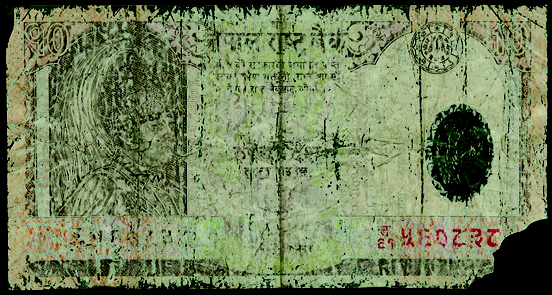
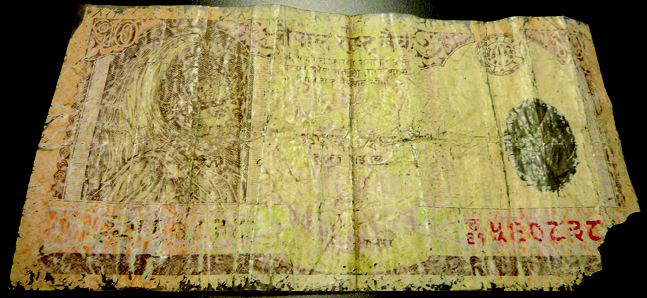
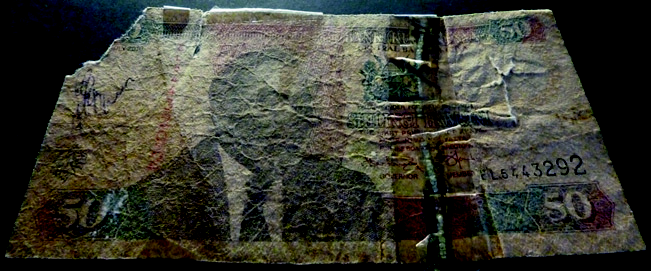
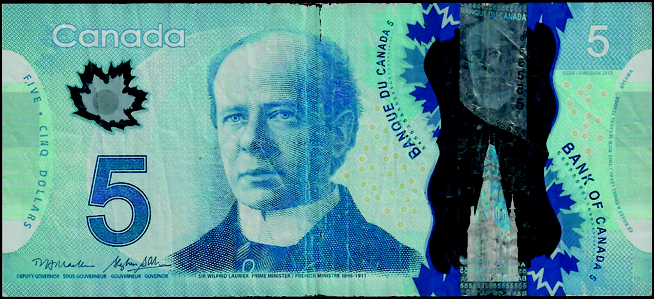
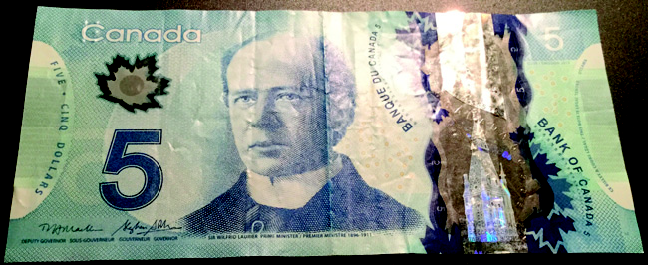
A dirty and very well-used note. As well as the defects mentioned under the Good category, larger pieces may be half torn off or missing. Paper notes will be totally limp, tears may be larger, obscured portions of the note may be bigger. Polymer notes will be totally crumpled, ink will be missing from the substrate and ink will show wear.
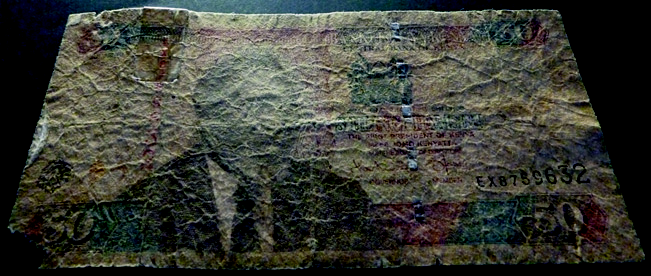
Poor
PR
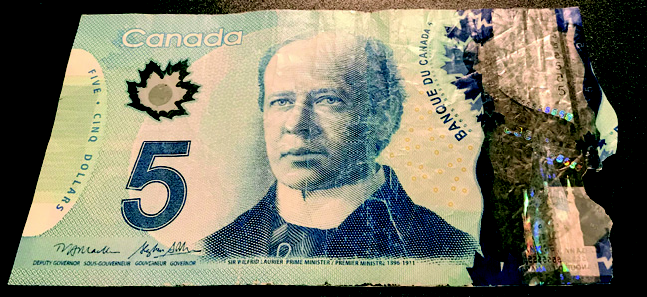
A note with severe damage because of wear – with staining, pieces missing and graffiti. May have tape holding pieces of the note together. Paper notes will have large holes in this grade and trimming may have taken place to remove rough edges.
Paper Notes
The notes below are appropriately graded, but any graded note has several features which contribute to its grade and the notes below may not have every possible attribute which determines a grade. For example, a note with a stain will be graded VG, but a VG note might not have a stain.
Uncirculated
UNC
About Uncirculated
AU or aUNC
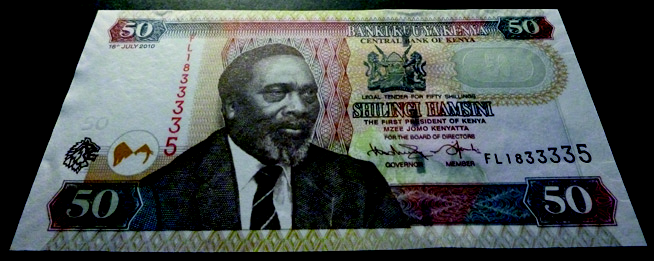
Extremely Fine
EF or XF
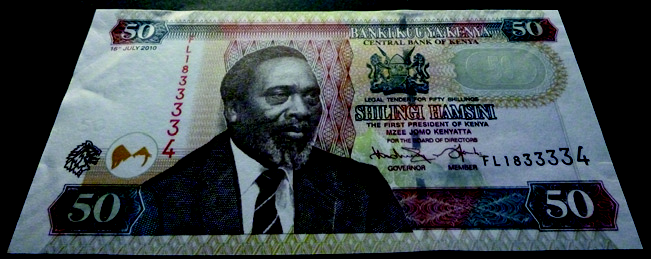
Very Fine
VF

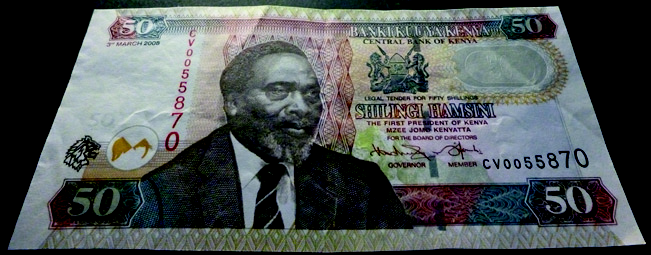
Fine
F

Very Good
VG

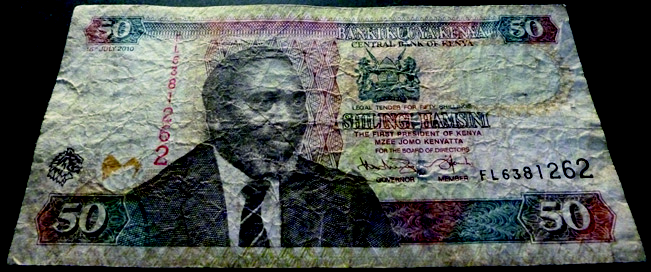
Good
G
Fair
Fair
Poor
PR
Polymer Notes
The IBNS Grading Standards were drawn up for paper notes and the attributes they describe do not suit polymer notes perfectly. Th e polymer notes below are graded to reflect the IBNS grades for paper notes.
Uncirculated
UNC
About Uncirculated
AU or aUNC
Extremely Fine
EF or XF
Very Fine
VF
Fine
F

Very Good
VG
Good
G
Fair
Fair
Poor
PR